Chemical Identity & High-Res Mass
Unambiguous primary structure validation using Orbitrap high-resolution accurate mass (<2 ppm) paired with multi-nuclear 1D/2D NMR (1H, 13C, 19F, 31P).

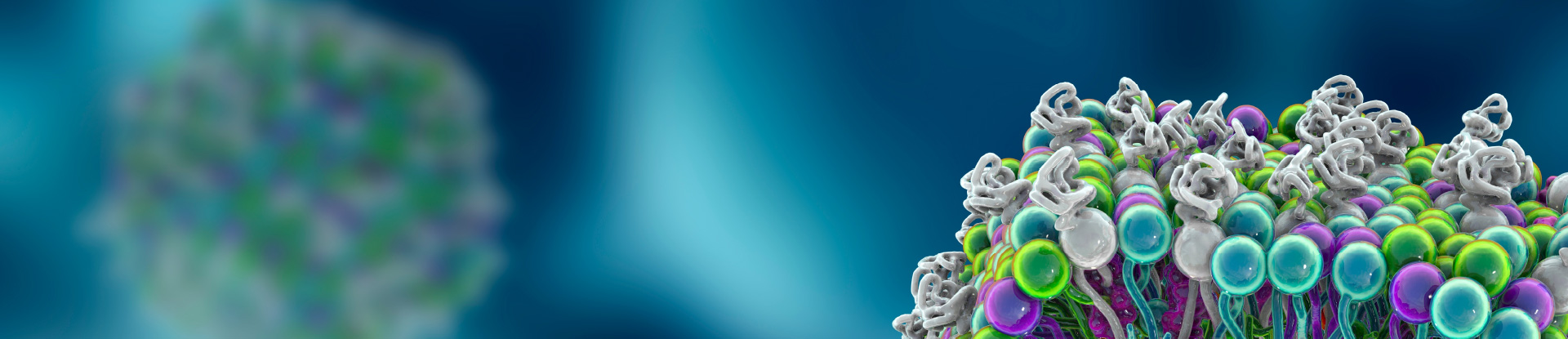
De-risk preclinical LNP development with comprehensive purity assays, structural elucidation, and trace impurity profiling for synthetic ionizable lipids. Combining Orbitrap LC-MS/MS, Charged Aerosol Detection (CAD), 1D/2D NMR, and TNS pKa titration, we qualify raw lipid batches before formulation.
Why choose us: Hyphenated RP-CAD & Orbitrap HRMS · trace N-oxide & aldehyde detection · apparent pKa by TNS titration · inert handling protocols
What we provide: Absolute assay purity (wt%) · structural elucidation & NMR · related substances & isomers · counter-ion, moisture & solvent QC
Problems we solve: False purity by UV · silent loss of mRNA potency from N-oxides · batch-to-batch synthetic drift · ester cleavage & TFA toxicity
Submit Your Request Now
×Our services have earned the trust of companies, schools, and organizations globally, and we remain dedicated to maintaining that trust.









In nucleic acid therapeutics (mRNA, siRNA, CRISPR ribonucleoproteins), the ionizable lipid is the single most structurally complex and functionally decisive component, constituting up to 50 mol% of total formulation lipids. Designed with a tertiary amine core and hydrophobic lipid anchors, its primary role is to condense polyanionic nucleic acids at acidic pH during microfluidic mixing and facilitate endosomal membrane destabilization at physiological pH.
However, ionizable lipids synthesized in-house or sourced from custom vendors carry substantial chemical heterogeneity. Due to a lack of strong ultraviolet chromophores, standard HPLC-UV assays frequently miss major process impurities, unreacted precursors, and degradants. Trace levels of tertiary amine N-oxides (generated during synthesis or storage) can undergo retro-Cope elimination to release reactive aliphatic aldehydes, which form covalent adducts with mRNA bases and permanently extinguish translational activity. Our platform delivers deep analytical de-risking for raw and custom ionizable lipids before costly formulation and animal studies begin.
This testing platform focuses on raw excipient qualification and custom synthetic lipid characterization prior to formulation. For intact, fully assembled delivery particles and four-component stoichiometry, see our LNP lipid composition & molar ratio analysis services; for aqueous core bilayer formulations, refer to our liposome characterization services.
We provide an end-to-end analytical testing suite tailored for medicinal chemistry lead optimization, chemical raw material lot-qualification, and preclinical formulation screening.

Chemical Identity & High-Res Mass
Unambiguous primary structure validation using Orbitrap high-resolution accurate mass (<2 ppm) paired with multi-nuclear 1D/2D NMR (1H, 13C, 19F, 31P).

Universal Purity & Weight Assay
Quantification of absolute lipid content (wt%) and chromatographic purity without chromophore bias using Charged Aerosol Detection (CAD).
Trace N-Oxide & Degradant Profiling
Sub-0.05% detection of critical oxidation degradants (N-oxides, aldehydes, ester hydrolysis products) via targeted PRM/MRM high-resolution MS.
Functional Apparent pKa Titration
Precise pKa determination across a continuous pH gradient using 6-(p-toluidino)-2-naphthalenesulfonic acid (TNS) fluorescence assays.
Process Impurity & Isomer Analysis
Identification of unreacted synthetic intermediates, dealkylated amines, ester positional isomers, and diastereomers via high-efficiency RP-UHPLC.
Physicochemical & Counter-Ion QC
Residual solvent testing (GC-HS), water content by Karl Fischer (KF), and counter-ion stoichiometry (TFA, acetate, chloride) verification.
Our analytical matrix addresses critical quality attributes (CQAs) of ionizable lipids across chemical identity, purity, degradation risks, and physicochemical properties. Below are the core testing modules and specifications.
Confirmation of molecular formula, isotope distribution, and structural connectivity is paramount when qualifying novel chemical entities (NCEs) or custom synthesis batches.
| Analytical Technique | Target Readouts & Specifications |
|---|---|
| Orbitrap ESI-HRMS | Exact mass determination ([M+H]+, [M+Na]+) with <2 ppm mass accuracy and isotopic pattern score >95% |
| 1D/2D NMR (1H, 13C, COSY, HSQC) | Confirmation of amine headgroup connectivity, branched ester linking points, and alkyl chain unsaturation |
| HR-MS/MS Fragmentation Tree | Diagnostic acyl-chain and amine-cleavage fragment ions confirming headgroup-to-tail connectivity |
Because ionizable lipids generally lack strong conjugated chromophores, optical absorbance varies wildly. We deploy Charged Aerosol Detection (CAD) for universal mass-sensitive peak integration.
| Analytical Technique | Target Readouts & Specifications |
|---|---|
| RP-UHPLC-CAD | Universal chromatographic purity (area %) independent of optical extinction coefficients |
| Single-Point / Multi-Point Assay | Absolute weight purity (wt%) calibrated against certified external primary standards |
| Orthogonal UHPLC-UV (205/214 nm) | Correlative tracking of aromatic/conjugated impurities, photo-degradants, and catalyst ligands |
Tertiary amine N-oxides are insidious impurities that silently destroy mRNA therapeutic activity via retro-Cope elimination of reactive aldehydes.
| Analytical Technique | Target Readouts & Specifications |
|---|---|
| Targeted HR-PRM / MRM-MS | Quantification of [M+O+H]+ N-oxide species with limit of detection down to 0.01% (100 ppm) |
| Derivatization LC-MS/MS | Trapping and quantification of free trace aldehydes (retro-Cope degradants) using DNPH or Girard reagent |
| Peroxide & Epoxide Monitoring | Tracking lipid hydroperoxides, fatty acyl peroxides, and epoxidized degradants via targeted LC-MS/MS oxidation profiling |
The apparent pKa governs the ionization state of the LNP at physiological vs. acidic endosomal pH, directly correlating with cellular transfection efficiency.
| Analytical Technique | Target Readouts & Specifications |
|---|---|
| TNS Fluorescence Assay | Multi-point buffer titration (pH 2.5–10.0) recording fluorescence excitation/emission (321/445 nm) |
| Sigmoidal Dose-Response Fit | Non-linear regression determining inflection point (pKa) with ±0.05 pH unit reproducibility |
| Structure-Activity Correlation | Benchmarking custom synthetic candidates against established controls (DLin-MC3-DMA, SM-102, ALC-0315) |
Synthetic routes involving multi-step alkylation or reductive amination leave unreacted building blocks, mono-alkylated amines, and stereoisomers.
| Analytical Technique | Target Readouts & Specifications |
|---|---|
| CSH C18 & Phenyl-Hexyl UHPLC | Resolution of regioisomeric and diastereomeric impurities arising from branched fatty acyl synthons |
| Precursor / Building Block QC | Monitoring unreacted tertiary amine intermediates, alkyl halides, or activated fatty ester synthons |
| Hydrolysis Product Screening | Quantification of cleaved core amino-alcohols and free aliphatic carboxylic acids (ester cleavage products) |
Moisture promotes ester hydrolysis, while unknown salt stoichiometry invalidates theoretical N/P ratio calculations during formulation.
| Analytical Technique | Target Readouts & Specifications |
|---|---|
| Coulometric Karl Fischer | Micro-moisture quantification down to <0.05% w/w using oven extraction for viscous oils/waxes |
| Quantitative 19F-NMR / IC | Measurement of counter-ion ratio (e.g., trifluoroacetate from HPLC purification, formate, chloride) |
| Headspace GC-MS (USP <467>) | Screening residual class 1, 2, and 3 solvents (DCM, THF, hexane, ethanol) remaining from synthesis |
Single-detector approaches inherently fail to provide complete quality characterization for ionizable lipids. We utilize a hyphenated, orthogonal multi-detector suite to guarantee absolute analytical certainty.
| Feature / Parameter | Standard HPLC-UV | Charged Aerosol Detection (CAD) | Orbitrap HR-MS/MS | 1D/2D NMR |
|---|---|---|---|---|
| Chromophore Dependency | Mandatory (>210 nm) | Non-dependent (Universal mass) | Non-dependent (Ionization required) | Non-dependent |
| Quantitative Response Factor | Highly variable (false purity risk) | Uniform across non-volatile lipids | Analyte/matrix-dependent | Proportional to proton count |
| Sensitivity (LOD) | Poor (>0.5% for non-absorbing) | High (down to 0.05% area) | Ultra-high (sub-ppm / 0.01%) | Moderate (>1% mol) |
| Structural Elucidation | None | None | Exact mass + fragmentation | Connectivity, branching, stereochem |
| Primary Role in Testing | Aromatic process impurities | Accurate area% & assay (wt%) | N-oxide & trace degradant ID | Definitive batch identity validation |
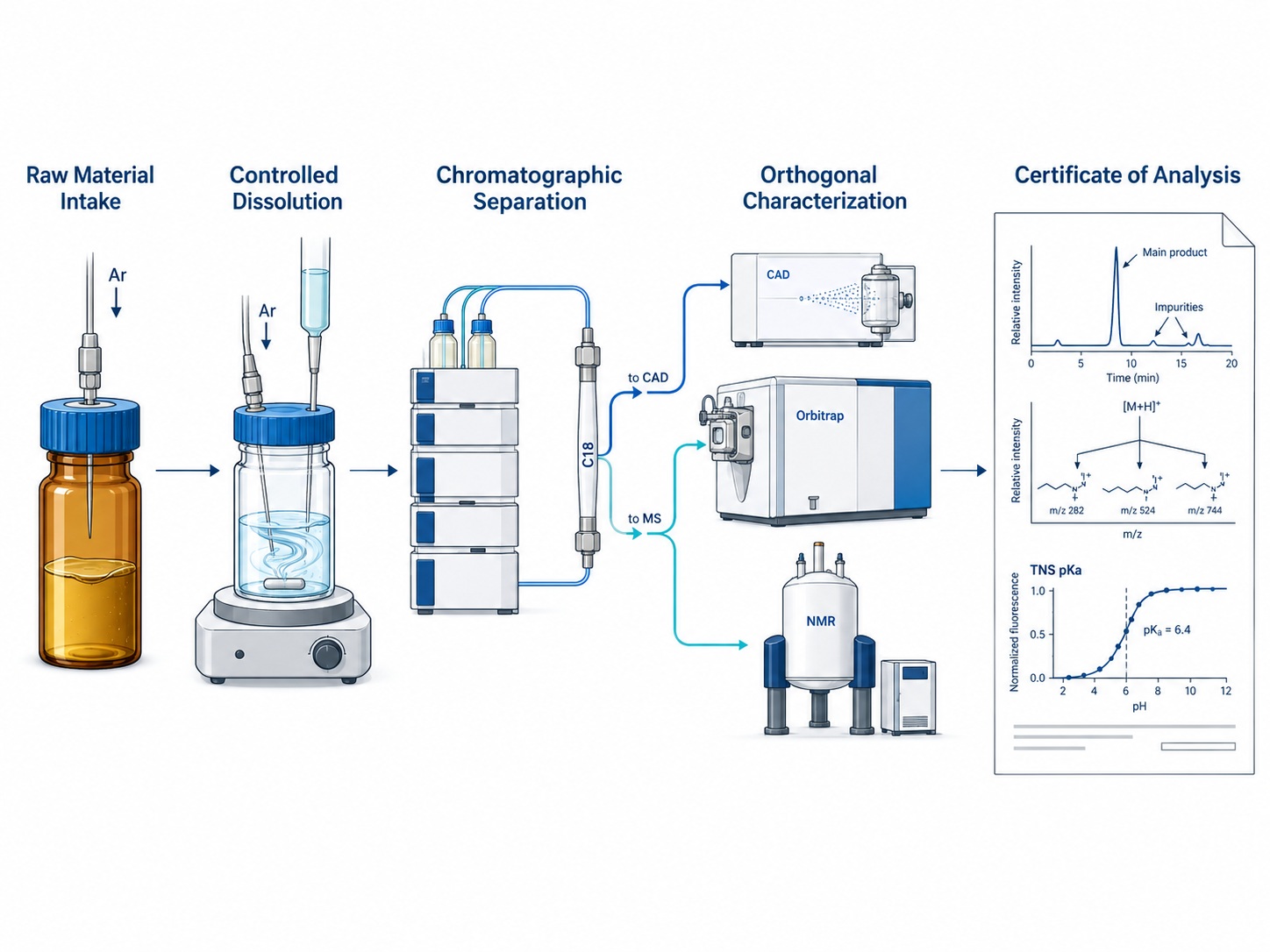 End-to-end testing workflow: from inert-atmosphere sample intake and solubility screening through parallel chromatographic, spectrometric, and titrimetric profiling to final Certificate of Analysis (CoA) generation.
Our quality profiling workflow accommodates viscous oils, waxy solids, and fragile synthetic salts. After rapid solubility and counter-ion evaluation, samples enter parallel testing lines under inert gas protection. Universal purity assays run simultaneously with high-resolution Orbitrap fragmentation and TNS pKa titration, culminating in a consolidated Certificate of Analysis.
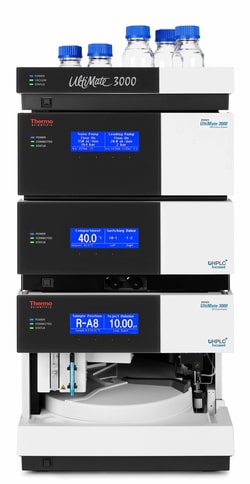
Thermo Scientific Vanquish Horizon UHPLC + CAD
Universal mass-sensitive detection for non-chromophoric lipid assays
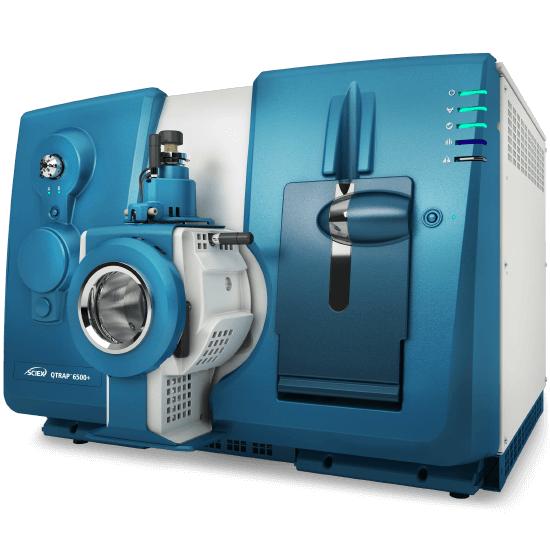
Thermo Fisher Q Exactive HF-X Orbitrap MS
High-resolution accurate mass (<2 ppm) & PRM degradant profiling
| Instrument Platform | Configuration & Specs | Analytical Purpose |
|---|---|---|
| Thermo Vanquish Horizon UHPLC + CAD | Biocompatible flow path, inverse gradient kit, evaporative temperature control | Quantification of absolute purity (wt%) and area% without chromophore bias |
| Thermo Q Exactive HF-X Orbitrap MS | H-ESI II source, mass resolution up to 240,000, polarity switching | Molecular formula confirmation, isomer resolution, trace N-oxide PRM quantification |
| Bruker Avance III HD 600 MHz NMR | CryoProbe Prodigy, 1H, 13C, 19F, 31P multinuclear capabilities | Unambiguous structural validation, counter-ion stoichiometry, stereochemistry |
| BioTek Synergy H1 Plate Reader | Monochromator optics, 321 nm excitation / 445 nm emission | High-throughput 96-well TNS fluorescence apparent pKa titration mapping |
Results we provide:
Data analysis:
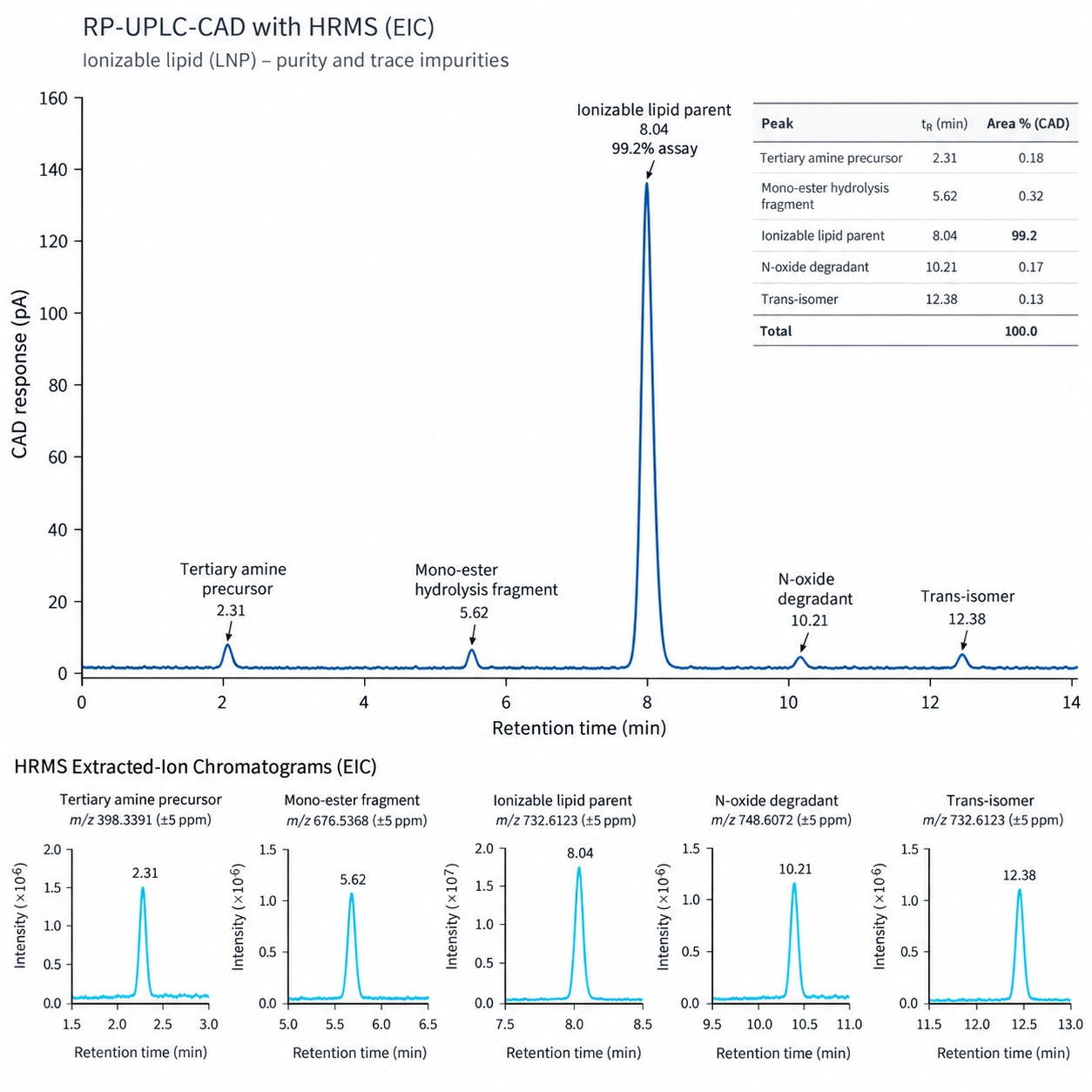
Baseline separation of ionizable lipid main peak (99.2%) from trace N-oxide and hydrolytic degradants by RP-UPLC-CAD.
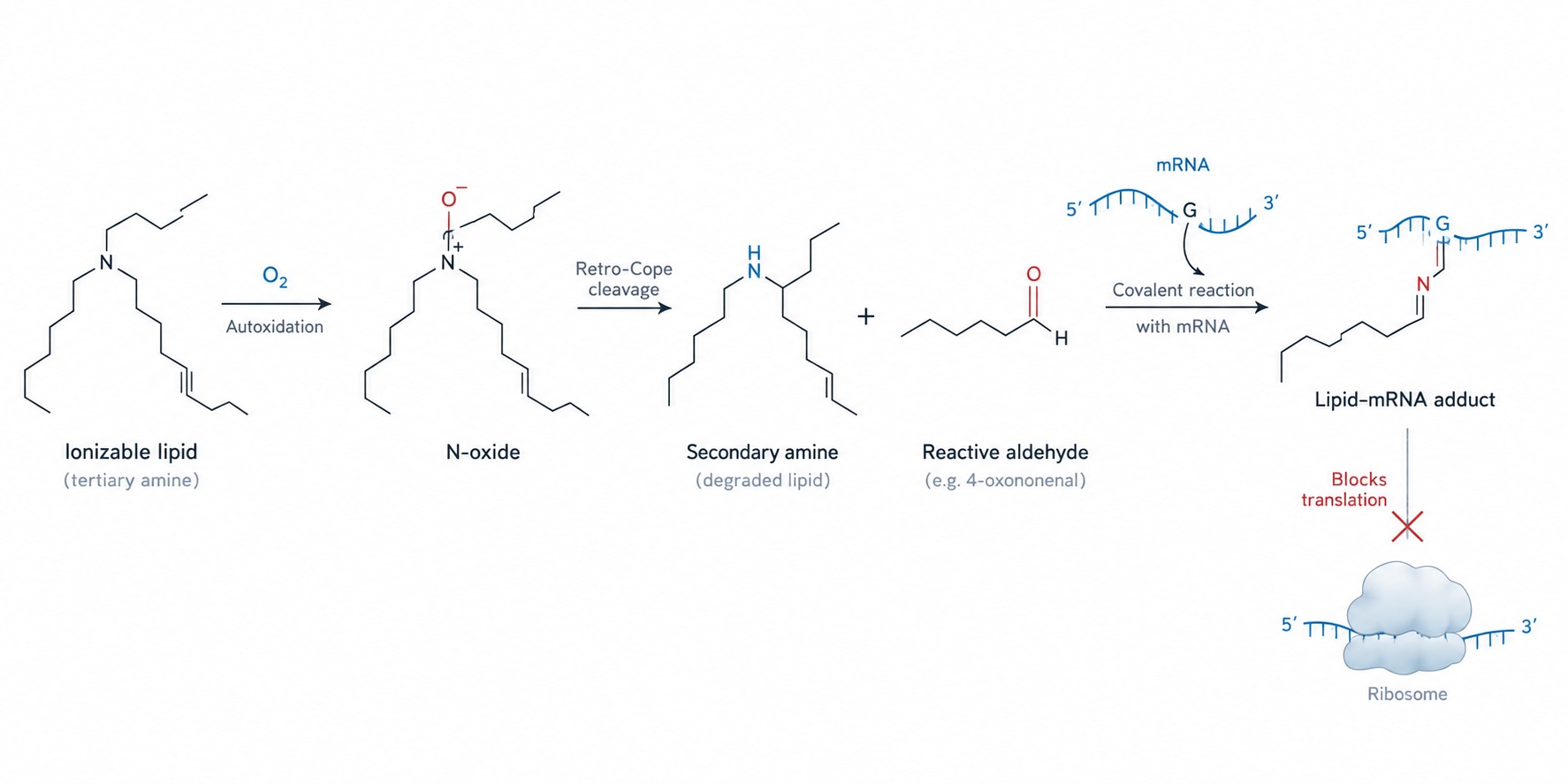
Mechanistic degradation pathway tracking tertiary amine N-oxidation, retro-Cope cleavage, and mRNA adduct formation.
Medicinal Chemistry Lead Optimization (SAR)
Evaluate custom combinatorial libraries of novel ionizable lipids. Correlate headgroup substitutions, biodegradable ester positions, and apparent pKa with in vitro mRNA delivery efficiency.
Vendor & CDMO Raw Material Qualification
Audit outsourced synthesis batches of benchmark lipids (MC3, SM-102, ALC-0315). Verify true weight purity (wt%) and exclude hidden non-chromophoric process impurities.
Accelerated Forced Degradation & Stress Testing
Subject candidate lipids to thermal stress, light exposure, and acid/base/peroxide stress. Track oxidative degradation hotspots in conjunction with our oxidized phospholipid analysis platform to establish shelf-life storage parameters under inert gas.
Preclinical Formulation Troubleshooting
Investigate unexpected drops in LNP encapsulation efficiency or animal transfection failure by auditing incoming raw lipid batches for trace N-oxides and reactive aldehydes.
| Parameter | Requirement / Recommendation |
|---|---|
| Sample Form | Neat oil, amorphous solid/wax, or pre-dissolved stock solution in dry ethanol/chloroform |
| Minimum Amount | Standard suite: 10–20 mg; Micro-lead optimization: 5 mg |
| Sample Container | Amber glass vials with PTFE-lined screw caps; purged with argon or nitrogen headspace |
| Shipping Conditions | Shipped on dry ice (−80°C) or blue ice packs (−20°C); avoid prolonged light exposure |
| Accompanying Info | Target structure/formula (or empirical formula), expected molecular weight, salt/counter-ion form |
Why is HPLC-UV insufficient for ionizable lipid purity determination?
Most synthetic ionizable lipids lack conjugated pi-electron systems or aromatic chromophores, resulting in negligible UV absorbance above 210 nm. At low wavelengths (200–210 nm), solvent end-absorption interferes with baseline stability, and relative response factors vary dramatically between the parent lipid and minor impurities. Charged Aerosol Detection (CAD) provides a universal, mass-sensitive response that enables accurate peak area integration and weight-percent (wt%) purity determination independent of optical properties.
How do trace tertiary amine N-oxides cause loss of mRNA biological activity?
During synthesis or ambient oxygen exposure, the tertiary amine group oxidizes to an N-oxide. Under thermal stress or formulation conditions, these N-oxides undergo Cope elimination, cleaving the lipid headgroup and releasing reactive aliphatic aldehydes. These aldehydes covalently react with the exocyclic amino groups of mRNA nucleobases (forming covalent adducts), which sterically blocks ribosomal translation and irreversibly extinguishes protein expression.
How is apparent pKa measured, and why is it critical?
We measure apparent pKa using the 6-(p-toluidino)-2-naphthalenesulfonic acid (TNS) fluorescence assay across a buffered pH gradient (pH 2.5–10.0). TNS fluoresces intensely when bound to positively charged lipid assemblies. The pH corresponding to half-maximal fluorescence represents the apparent pKa. An optimal apparent pKa (6.0–7.0) ensures that the lipid remains uncharged at physiological pH (reducing toxicity) while becoming protonated in endosomes to drive cargo release.
What stage of drug development is this impurity profiling intended for?
This analytical testing platform is optimized for discovery research, excipient screening, synthetic route development, and preclinical formulation characterization. It provides in-depth molecular profiling to identify reactive degradation products and support rational formulation design.
References
Applications:
Online Inquiry
CONTACT US