









Cardiolipin Analysis Service

Cardiolipin (CL) is a mitochondria-exclusive phospholipid that governs cristae architecture, respiratory chain supercomplex assembly, and cytochrome c-mediated apoptosis signaling. Accurate quantification of CL molecular species — along with its remodeling intermediate monolysocardiolipin (MLCL) and oxidation products (OxCL) — is essential for understanding mitochondrial dysfunction in Barth syndrome, heart failure, neurodegeneration, and metabolic disease. We provide targeted LC-MS/MS-based cardiolipin profiling covering 200+ CL species with a lower limit of quantification (LLOQ) of 1 pmol and intra-day CV below 5%.

What we analyze: Cardiolipin (CL), monolysocardiolipin (MLCL), oxidized cardiolipin (OxCL), and related phospholipid intermediates

Technology: Reversed-phase LC separation coupled with MRM quantification on SCIEX Triple Quad 6500+

Applications: Barth syndrome research, mitochondrial quality control, drug-induced mitotoxicity, cardiomyopathy, aging

Request Analysis

Submit Your Request Now

×

Our services have earned the trust of companies, schools, and organizations globally, and we remain dedicated to maintaining that trust.

Boston University
University at Buffalo
UMass Medical School
Hawaii Pacific University
Medizinische Fakultät
Louisiana State University
Nyulangone
Nature's Fynd
Dietary Supplement Manufacturer
  • Service We Provide
  • Cardiolipin Species
  • Advantages
  • Workflow
  • Results and Data Analysis
  • Sample Requirements
  • FAQ

What Is Cardiolipin and Why Analyze It?

Cardiolipin (CL) is a mitochondria-specific phospholipid with four fatty acyl chains that anchors respiratory chain supercomplexes in the inner mitochondrial membrane and regulates cytochrome c-mediated apoptosis. Quantifying CL molecular species, monolysocardiolipin (MLCL), and oxidized cardiolipin (OxCL) provides a direct functional readout of mitochondrial health — from tafazzin deficiency in Barth syndrome to drug-induced mitotoxicity and age-dependent neurodegeneration.

Cardiolipin Analysis Services in Creative Proteomics

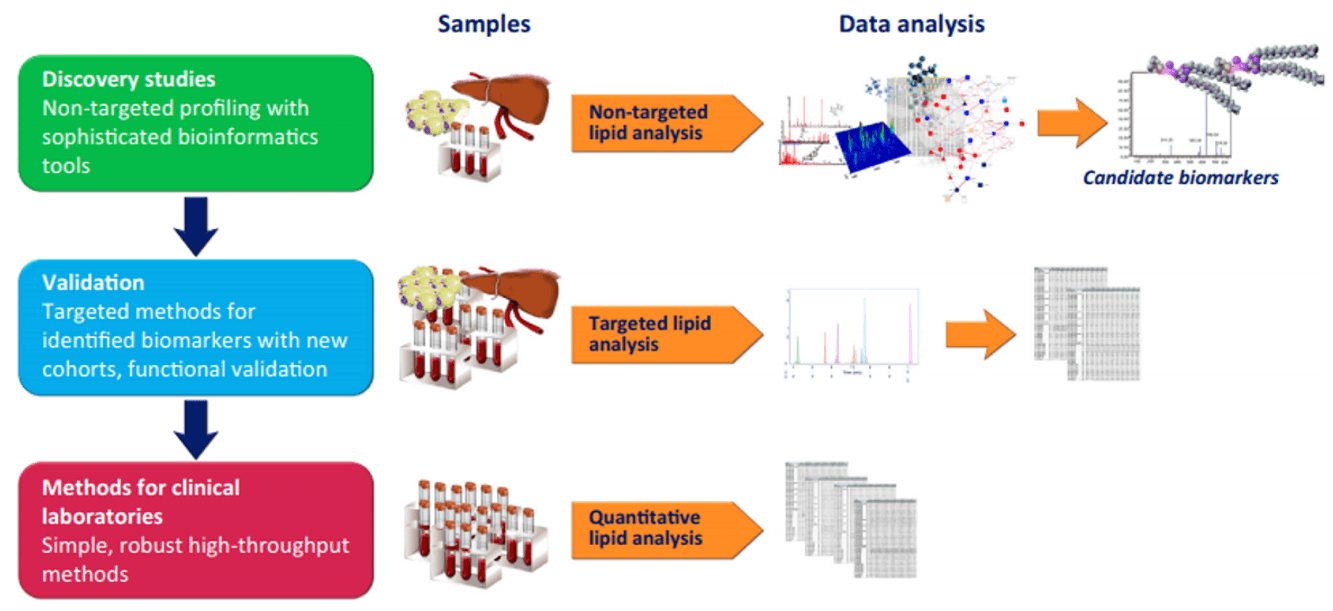
We offer a comprehensive suite of cardiolipin analysis services on the lipidomics platform. Each service is designed to address a specific dimension of CL biology, from broad-spectrum species screening to targeted pathway interrogation.

CL Species Profiling Panel

Quantify 200+ cardiolipin molecular species across the total acyl carbon range C60–C76 with 2–12 double bonds. This broad-spectrum panel identifies CL remodeling shifts in cardiomyopathy, mitochondrial myopathy, and drug toxicity models. Report includes species-level abundance with normalization to tissue weight or protein content.

MLCL/CL Ratio & Remodeling Analysis

Targeted quantification of MLCL and CL species by MRM, with calculation of total and species-resolved MLCL/CL ratios. This is the primary readout for Barth syndrome research and tafazzin (TAZ) functional assays. Typical study includes 12–18 MLCL species and 40–60 CL species per sample.

Oxidized Cardiolipin (OxCL) Detection

Identify and semi-quantify oxidized CL species including mono-hydroxy, di-hydroxy, and hydroperoxy derivatives of the major polyunsaturated CL species (CL 72:7, CL 72:8, CL 74:9). Used for apoptosis signaling research, ischemia-reperfusion studies, and drug-induced oxidative stress assessment.

CL Biosynthesis Pathway Mapping

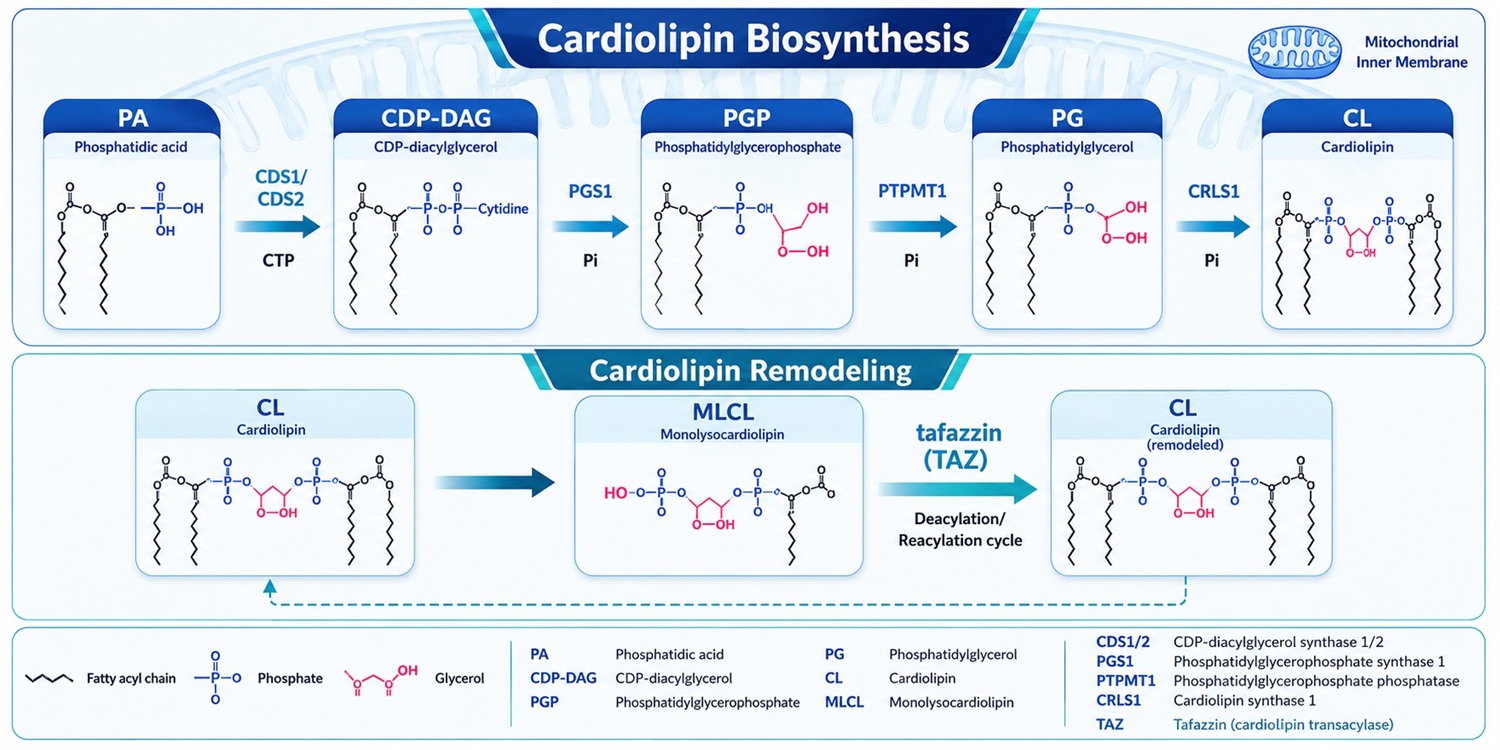
Targeted analysis of cardiolipin biosynthetic intermediates: phosphatidic acid (PA), CDP-diacylglycerol (CDP-DAG), phosphatidylglycerophosphate (PGP), and phosphatidylglycerol (PG). This pathway-level approach identifies which enzymatic step is disrupted in disease models or gene knockout studies.

Custom CL Assay Development

Develop validated MRM methods for rare or non-standard CL species — including bacterial cardiolipins with cyclopropane or branched-chain acyl groups — using authentic standards or high-resolution MS characterization. Method development typically includes linearity (r² ≥ 0.995), accuracy (85–115% recovery), and precision (CV below 10%) validation.

Detectable Cardiolipin Species and Related Metabolites

  • CL Species
  • MLCL & OxCL
  • Related Metabolites

Cardiolipin (CL) Molecular Species

We maintain a validated MRM method covering 200+ CL species identified by total acyl carbon number and total double bond count. The following table presents representative major species routinely detected in mammalian heart and liver mitochondria.

CL SpeciesCategoryTypical Abundance (Heart)Biological Relevance
CL 68:4Saturated-richLowMinor species; increases under high-fat diet conditions
CL 70:4Saturated-richModerateAssociated with newborn heart mitochondria
CL 70:5Mixed saturationModerateIntermediate remodeling state; elevated in TAZ deficiency
CL 72:6PolyunsaturatedHighMajor heart CL species; linoleic acid-enriched; decreased in HFpEF
CL 72:7PolyunsaturatedHighKey remodeling product; predominant in cardiac and skeletal muscle
CL 72:8PolyunsaturatedVery HighTetralinoleoyl-CL (L4-CL); the canonical mammalian CL species; marker of healthy cardiac mitochondria
CL 74:8PolyunsaturatedHighLiver-enriched species; sensitive to dietary fatty acid intake
CL 74:9Highly unsaturatedModerateBrain-enriched; incorporates docosahexaenoic acid (DHA, C22:6)
CL 76:10Highly unsaturatedLow–ModerateRetina and neuronal tissue; DHA-rich CL linked to synaptic function
CL 76:12Highly unsaturatedLowTestis-specific; extreme polyunsaturation; sensitive to dietary omega-3 status

Monolysocardiolipin (MLCL) and Oxidized Cardiolipin (OxCL)

MLCL is the monodeacylated intermediate of CL remodeling. Its accumulation relative to mature CL is a well-established biomarker of TAZ/tazaffazin dysfunction. OxCL species are generated by enzymatic (12/15-lipoxygenase) and non-enzymatic (ROS-driven) peroxidation of polyunsaturated CL acyl chains, and they serve as critical signals in mitochondrial apoptosis.

MLCL Species Detected

  • MLCL 34:1 (major Barth syndrome biomarker)
  • MLCL 34:2
  • MLCL 36:1
  • MLCL 36:2
  • MLCL 36:3
  • MLCL 38:3
  • MLCL 38:4

OxCL Species Monitored

  • CL 72:8 +O (mono-hydroxy-L4-CL)
  • CL 72:8 +2O (di-hydroxy-L4-CL)
  • CL 72:7 +O
  • CL 72:7 +2O
  • CL 74:9 +O
  • CL 74:9 +2O

Glycerophospholipids in the CL Biosynthetic Pathway

For studies investigating CL biosynthesis and remodeling mechanisms, we offer targeted quantification of the upstream intermediates. These analytes contextualize CL changes within the broader glycerophospholipid metabolic network.

AnalyteCategoryBiosynthetic RoleDetection Method
Phosphatidylglycerol (PG)Direct CL precursorDonates phosphatidyl group to CL synthase (CRLS1); PG 18:1/18:1 is the preferred substrateMRM, negative ion mode
PGP (Phosphatidylglycerophosphate)PG precursorIntermediate synthesized by PGS1; dephosphorylated by PTPMT1 to PGMRM, negative ion mode
CDP-DAG (CDP-Diacylglycerol)PGP precursorCommon precursor for CL, PI, and PG biosynthesis; synthesized by CDS1/CDS2MRM, negative ion mode
PA (Phosphatidic Acid)CDP-DAG precursorEntry point of glycerophospholipid synthesis; PA levels reflect overall lipid biosynthetic fluxMRM, negative ion mode

Why Choose Our Cardiolipin Analysis Platform

  • Comprehensive species coverage: Validated MRM method covering 200+ CL molecular species from C60 to C76 with 2 to 12 double bonds — plus 7 MLCL species and 6 monitored OxCL species.
  • Quantitative rigor: Absolute quantification using 13C-labeled internal standards (CL 56:0 and CL 72:8) with calibration linearity r² ≥ 0.995 and intra-day CV below 5% at the LLOQ of 1 pmol.
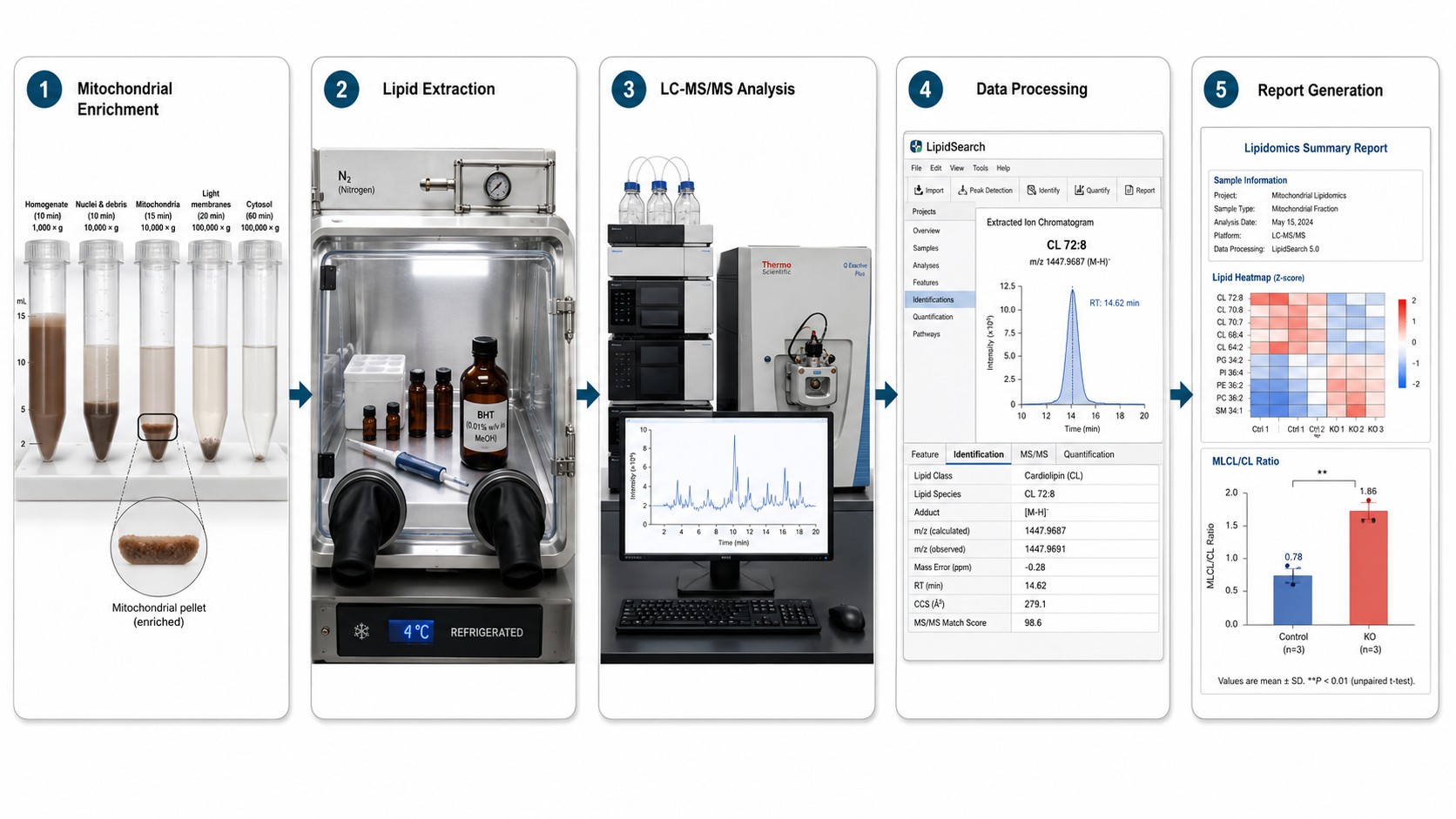
  • Oxidation-controlled workflow: Nitrogen-atmosphere extraction with BHT antioxidant, amber vial storage under argon, and batch QC monitoring (OxCL/CL drift below 15%) ensure OxCL data reflect biology, not artifacts.
  • Expert mitochondrial lipidomics team: Dedicated scientists with experience across cardiac, hepatic, neuronal, and skeletal muscle CL profiling in both mammalian models and non-model organisms.
  • Tissue-optimized methods: Pre-validated LC-MRM methods for heart, liver, brain, and skeletal muscle, with custom method development for non-standard tissues and cell types.
  • Isomer-resolved identification: 2D LC and MS3 fragmentation strategies resolve isobaric CL species — a capability not offered by standard shotgun lipidomics services.
  • Transparent data delivery: Raw MRM chromatograms, integration boundaries, and QC metrics provided alongside processed data tables for independent verification.

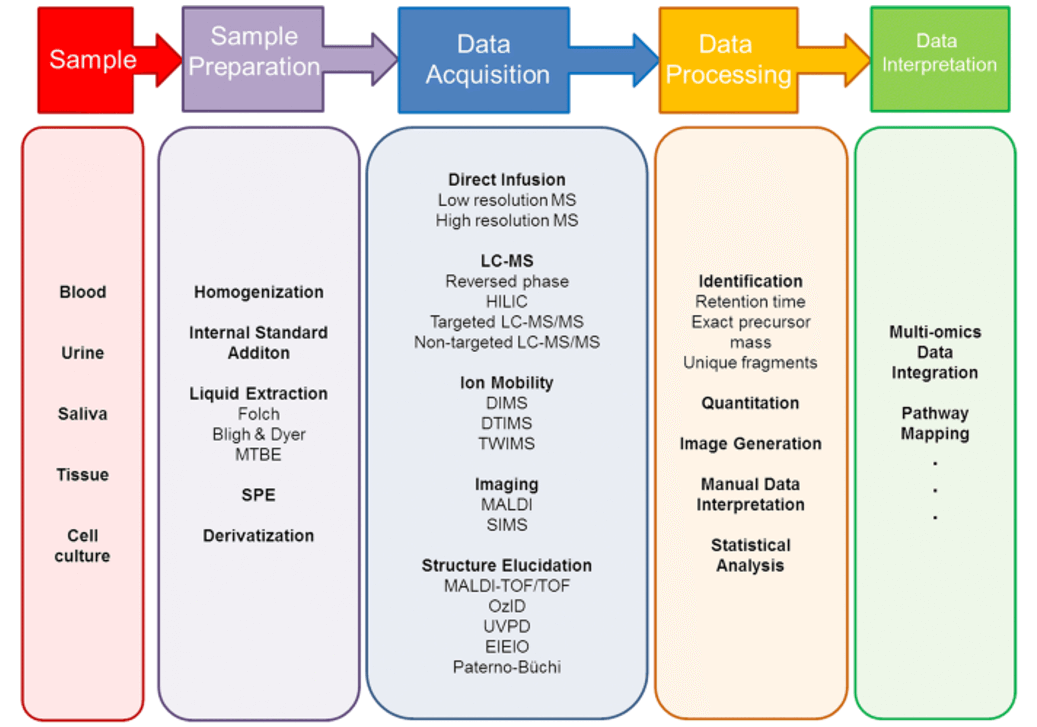
Cardiolipin Analysis Workflow

Cardiolipin analysis workflow

Technology Platform for Cardiolipin Analysis

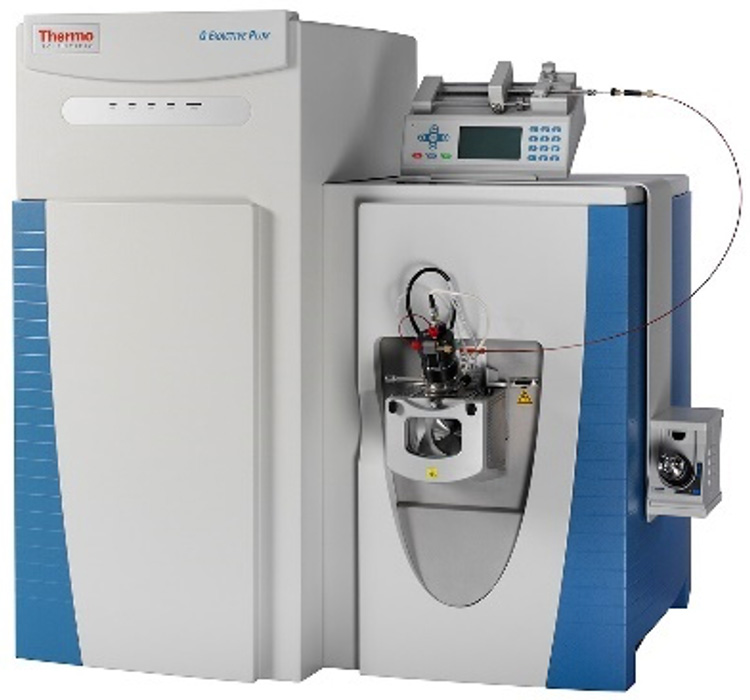
Thermo Fisher Q Exactive

Thermo Fisher Q Exactive (Figure from Thermo Fisher Scientific)

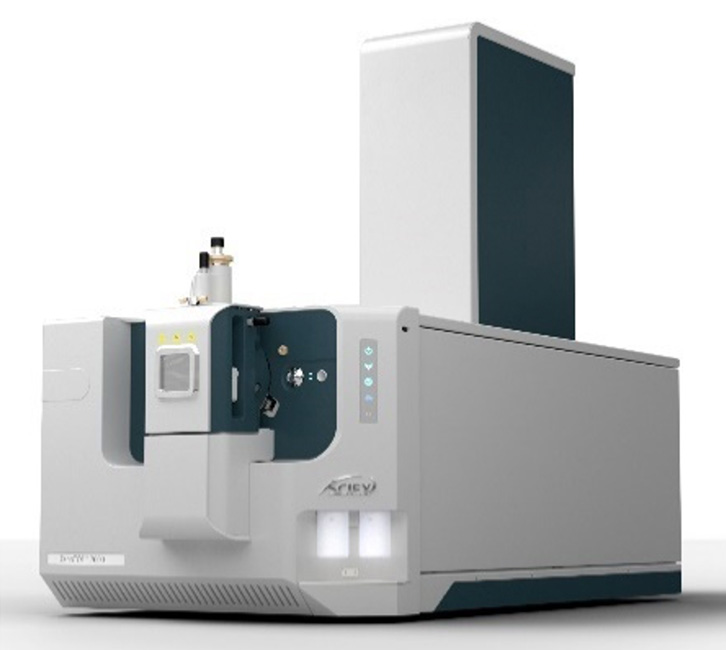
SCIEX QTRAP 6500+

SCIEX QTRAP 6500+ (Figure from SCIEX)

Agilent 1290 UHPLC

Agilent 1290 UHPLC (Figure from Agilent)

Method Specifications

ParameterSpecification
ChromatographyReversed-phase C18 (2.1 × 150 mm, 1.7 μm), 60-min gradient, 40°C column temperature
IonizationElectrospray ionization (ESI), negative ion mode for CL/PG/PA; positive ion mode for confirmatory scans
Acquisition ModeScheduled multiple reaction monitoring (sMRM) with 60-s detection windows
Mass Rangem/z 600–800 (doubly charged CL); m/z 1,100–1,600 (singly charged CL)
QuantificationIsotope dilution with 13C-labeled internal standards; external calibration with authentic CL standards
LLOQ1 pmol on-column for individual CL species; S/N ≥ 10:1
PrecisionIntra-day CV below 5%; inter-day CV below 10%
Dynamic Range4 orders of magnitude; linearity r² ≥ 0.995
Isomer ResolutionBaseline separation of CL species differing by one double bond (60-min gradient); same-mass isomers resolved via 2D heart-cut LC with MS3 fragmentation on QTRAP 6500+
Oxidation ControlNitrogen-atmosphere extraction at 4°C with BHT (50 μM); argon-blanketed storage; batch QC with OxCL/CL drift acceptance below 15%

Results and Data Analysis

Comprehensive Cardiolipin Profiling Report

Results provided:

  • Species-level CL abundance table (pmol/mg protein or pmol/mg tissue) for all detected CL species.
  • Total CL content per sample with statistical comparison across experimental groups.
  • CL acyl chain composition analysis: distribution of fatty acyl chains (16:0, 18:0, 18:1, 18:2, 20:4, 22:6, etc.) across the CL pool.
  • MLCL/CL ratio (total and species-resolved) for CL remodeling assessment.

Data analysis:

  • Principal component analysis (PCA) of CL species profiles across groups.
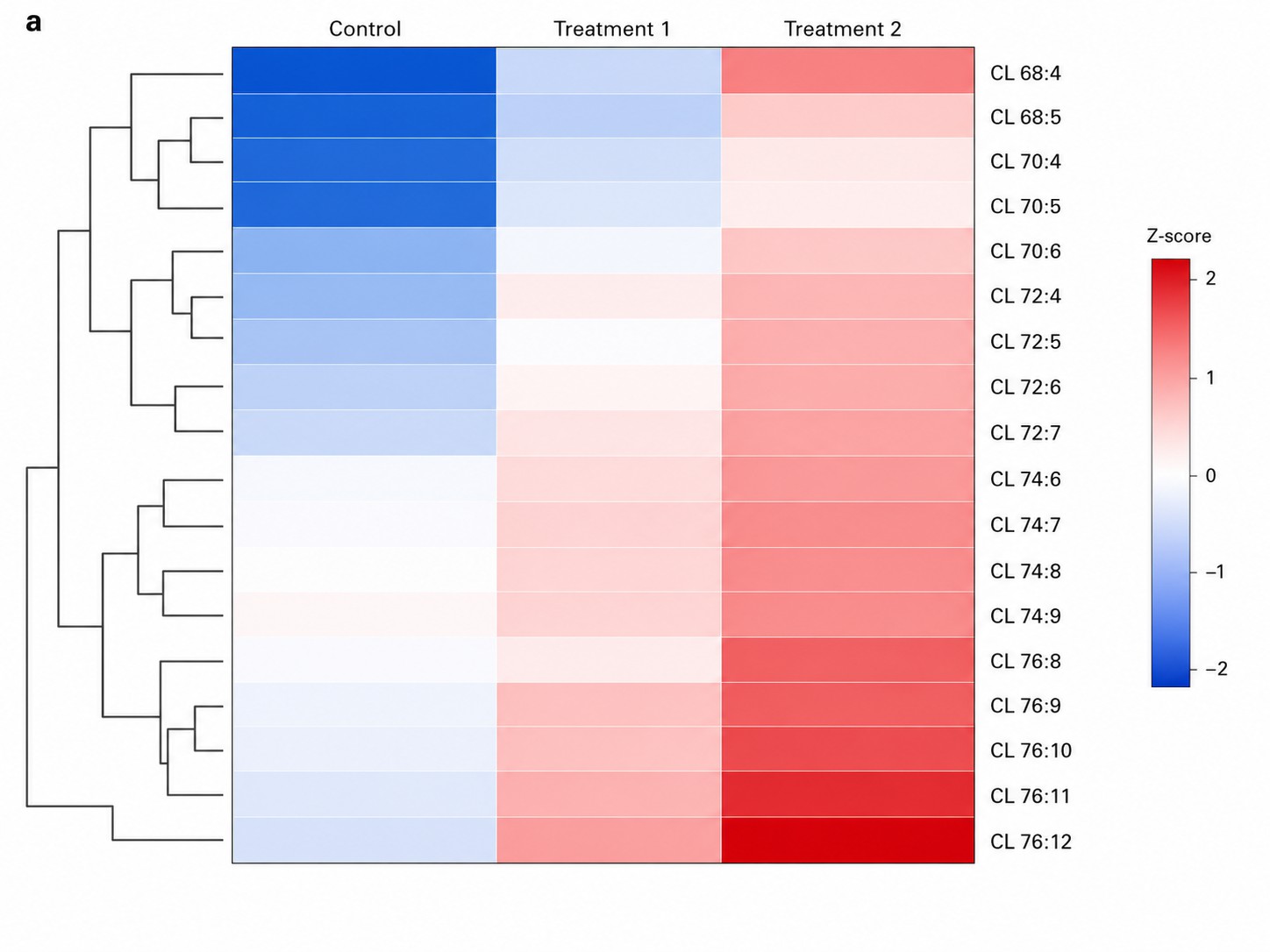
  • Heatmap visualization of CL species abundance with hierarchical clustering.
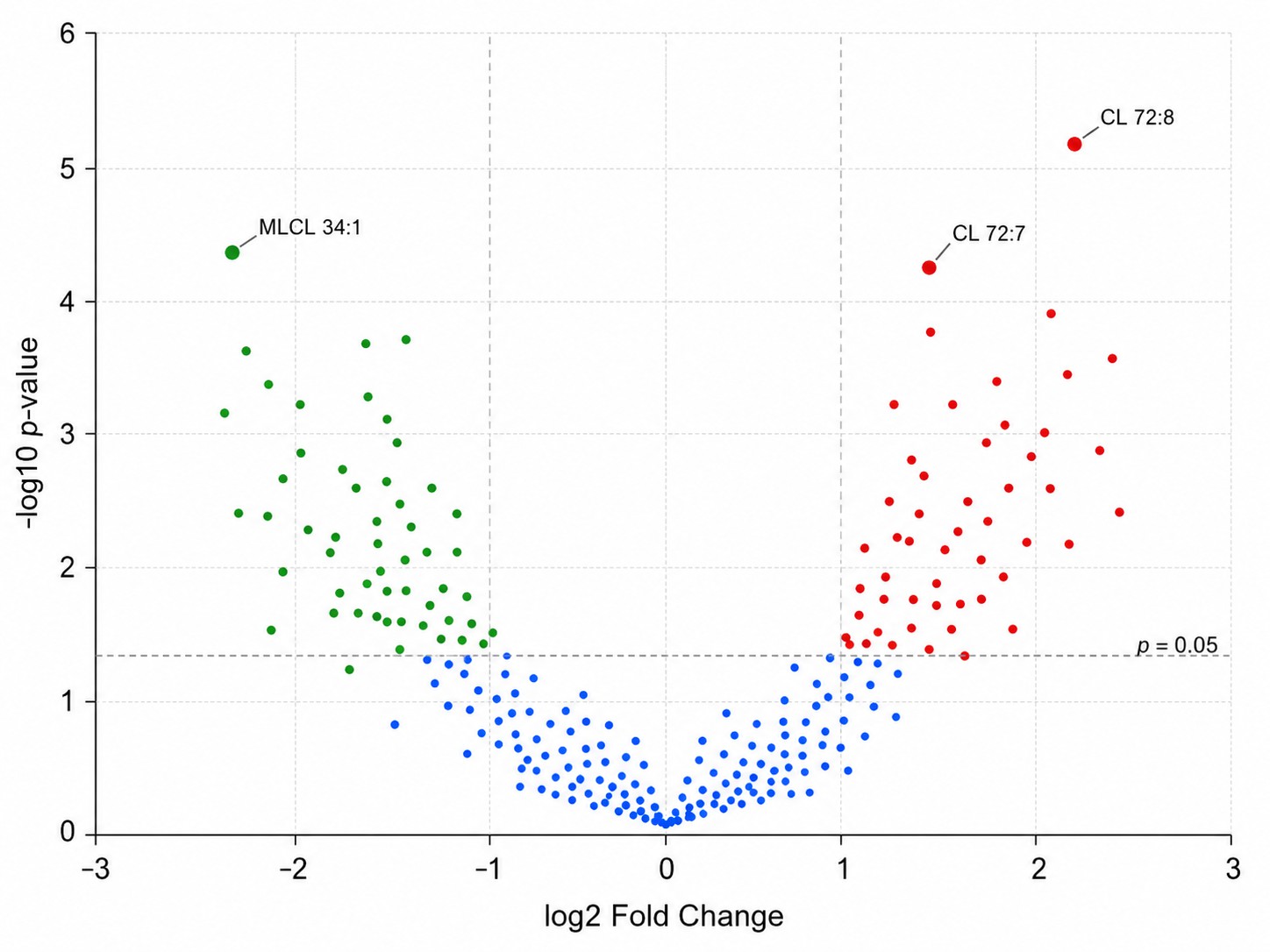
  • Volcano plot of differentially abundant CL species (fold change vs. p-value).
  • Acyl chain remodeling index (tetralinoleoyl-CL proportion relative to total CL).
Cardiolipin species abundance heatmap

CL species abundance heatmap from mitochondrial lipidomics analysis.

Volcano plot of differentially abundant cardiolipin species

Volcano plot of differentially abundant CL species between groups.

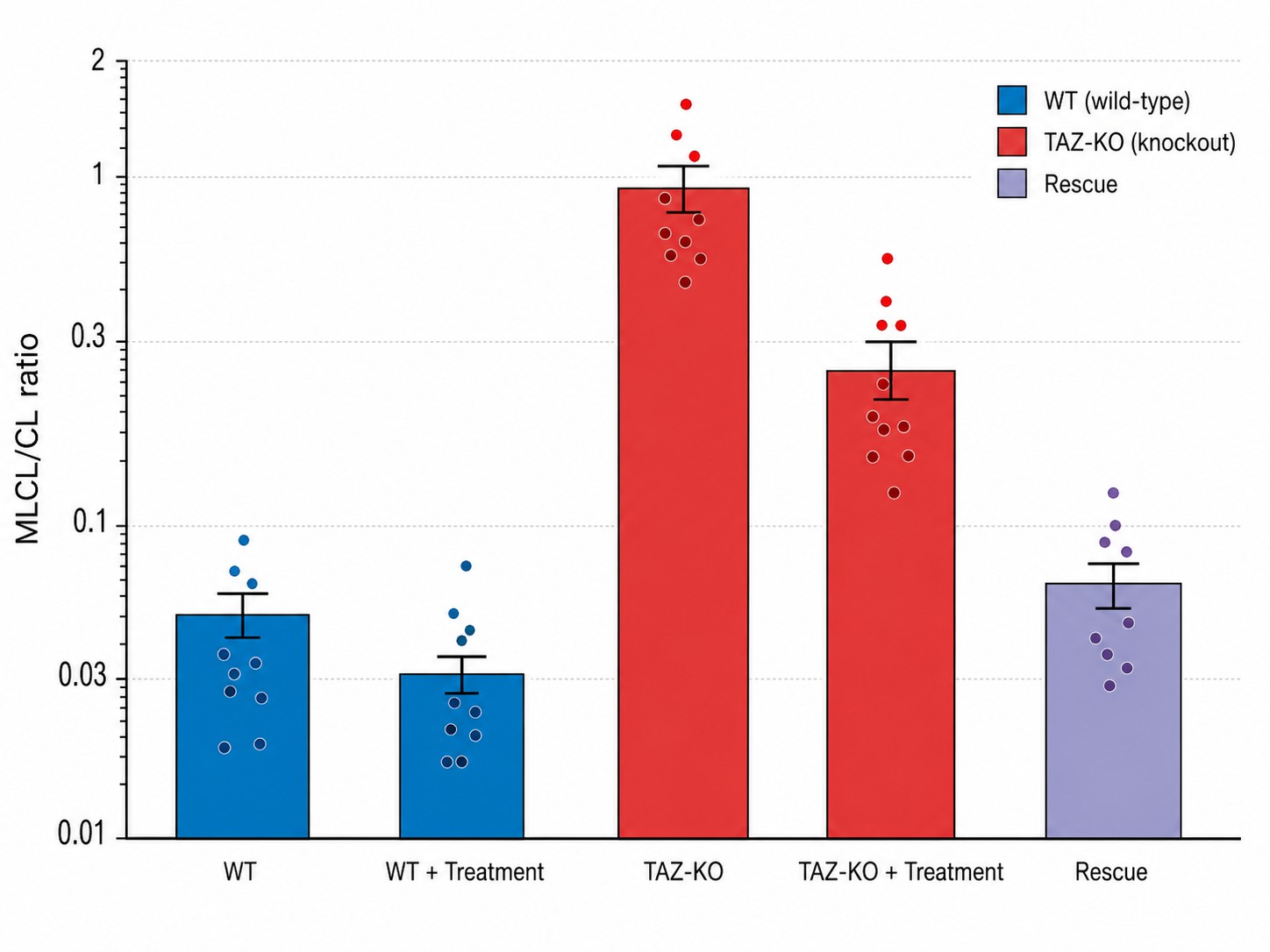
MLCL/CL ratio bar chart across experimental groups

MLCL/CL ratio comparison across experimental conditions.

Targeted CL Remodeling and Pathway Analysis

Results provided:

  • Quantitative data for CL biosynthetic intermediates: PA, CDP-DAG, PGP, and PG (pmol/mg protein).
  • CL remodeling ratio: (18:2)4-CL / total CL, reflecting tafazzin transacylase activity.
  • Species-level MLCL profiling with individual MLCL/CL ratio calculations for each acyl chain combination.

Data insights:

  • Pathway flux analysis identifying the blocked enzymatic step in CL biosynthesis.
  • Correlation matrix of CL species with PG and PA levels to distinguish synthesis defects from remodeling defects.

Oxidized Cardiolipin and Apoptosis Assessment

Results provided:

  • OxCL/CL ratio as a global index of CL oxidative damage.
  • Species-level OxCL profiles: mono-hydroxy, di-hydroxy, and hydroperoxy derivatives of major CL species.
  • Correlation of OxCL accumulation with cytochrome c release and caspase activation markers (if provided).

Data insights:

  • Time-course analysis of OxCL accumulation under treatment conditions.
  • Integration of OxCL data with mitochondrial functional assays for comprehensive mitotoxicity assessment.

Cardiolipin biosynthesis and remodeling pathwayCardiolipin Biosynthesis and Remodeling Pathway: PA → CDP-DAG → PGP → PG → CL (synthesis) and CL → MLCL → CL (remodeling by tafazzin)



Learn more about our targeted lipidomics platform and cardiolipin analysis capabilities. Download the complete service brochure for method details, validation data, and application examples.

Download Brochure

What Cardiolipin Analysis Is Used For

Barth Syndrome and TAZ Deficiency

Quantify MLCL/CL ratio as the primary biochemical marker of tafazzin dysfunction in TAZ-knockout models, patient-derived iPSC-cardiomyocytes, and gene therapy efficacy studies.

Drug-Induced Mitochondrial Toxicity

Detect CL depletion (≥20% reduction within 24 hours) and OxCL accumulation as early markers of mitotoxicity during drug safety screening of kinase inhibitors, anthracyclines, and nucleoside analogs.

Cardiomyopathy and Heart Failure

Track tetralinoleoyl-CL (CL 72:8) loss — a hallmark of pathological remodeling — with species-level quantification in dilated cardiomyopathy, hypertrophic cardiomyopathy, and ischemia-reperfusion models.

Neurodegeneration and Brain Aging

Characterize age-dependent CL oxidation and DHA-CL depletion in synaptic mitochondria. Quantify brain-region-specific CL profiles in Parkinson's disease, Alzheimer's disease, and TBI models.

Metabolic Disease Research

Assess diet-induced CL remodeling in obesity, type 2 diabetes, and NAFLD models — tracking the shift from polyunsaturated to saturated/monounsaturated hepatic CL species linked to insulin resistance.

Sample Requirements for Cardiolipin Analysis

Sample TypeSample CollectionLysis MethodRecommended QuantityAdditional Considerations
Isolated MitochondriaDifferential centrifugation; wash mitochondrial pellet with ice-cold PBSN/A (intact mitochondria submitted)50–200 μg mitochondrial proteinSnap-freeze pellet in liquid nitrogen immediately; store at –80°C. Avoid freeze-thaw cycles. Submit on dry ice.
Heart TissuePerfuse with ice-cold PBS to remove blood; dissect rapidly on iceHomogenize in ice-cold mitochondrial isolation buffer with BHT10–50 mg wet weightVentricle preferred over atrium for CL homogeneity. For ischemia-reperfusion studies, include sham-operated controls.
Liver TissuePerfuse with ice-cold PBS via portal vein; snap-freeze immediatelyHomogenize in ice-cold buffer; mitochondrial enrichment optional20–100 mg wet weightHepatic CL composition is diet-responsive; include dietary information. For NAFLD studies, include histological scoring.
Brain TissueRapid dissection on ice; region-specific dissection for cortex, hippocampus, striatumHomogenize in ice-cold mitochondrial isolation buffer30–100 mg wet weight per regionSynaptic vs. non-synaptic mitochondrial enrichment recommended for CL studies. Post-mortem interval should be minimized (ideally below 4 hours).
Cultured CellsWash twice with ice-cold PBS; scrape and pellet at 4°CResuspend in ice-cold mitochondrial isolation buffer; Dounce homogenize5 × 106 to 1 × 10⁷ cellsInclude at least 3 biological replicates per condition. For iPSC-derived cells, confirm purity by flow cytometry or marker expression.
Skeletal MuscleDissect on ice; remove connective tissue and visible fatHomogenize in ice-cold mitochondrial isolation buffer; filter through cheesecloth30–80 mg wet weightFiber-type composition affects CL profile. For human biopsies, note muscle group and fiber-type distribution if available.
Client-Prepared Lipid ExtractsExtract under nitrogen with BHT; dry under argon; ship in amber vials on dry iceN/A (extracted lipids submitted)Lipid extract equivalent to 50–200 μg mitochondrial proteinProvide detailed extraction protocol, internal standard amounts, and tissue weight/protein content for normalization.

Frequently Asked Questions About Cardiolipin Analysis

What cardiolipin species can you detect and quantify?

We detect 200+ cardiolipin molecular species across a mass range of m/z 1,100 to 1,600, covering CL species with total acyl carbon numbers from 60 to 76 and 2 to 12 double bonds. In addition to mature CL, we quantify monolysocardiolipin (MLCL) and oxidized cardiolipin (OxCL) species. A curated MRM transition list covering the major CL species in heart, liver, brain, and skeletal muscle is maintained and updated as new CL species are identified. For studies requiring detection of rare CL species (e.g., C78-C80 CL in testis or retina), custom MRM method development can be arranged.

How does cardiolipin analysis differ from a clinical anti-cardiolipin test?

These are fundamentally different analyses. Clinical anti-cardiolipin antibody (aCL) testing — performed by clinical laboratories such as Mayo Clinic or Labcorp — is an immunoassay that detects autoantibodies against cardiolipin in patient serum, used for diagnosing antiphospholipid syndrome. Our service uses LC-MS/MS to quantify cardiolipin molecular species in biological tissues and cells as a research tool for studying mitochondrial biology. Results are for research use only and are not intended for clinical diagnostic interpretation.

Can you measure the MLCL/CL ratio for Barth syndrome research?

Yes. The MLCL/CL ratio is the most well-established biochemical marker of Barth syndrome, and it is a core capability of this service. We quantify individual MLCL species (typically 12–18 species detected) and CL species (40–60 species) by MRM, then calculate total MLCL/CL ratio and species-level MLCL/CL ratios. In wild-type murine heart mitochondria, the total MLCL/CL ratio is typically 0.01–0.05. In TAZ-knockout models, this ratio rises to 2–10 depending on the specific model and tissue type. MLCL 34:1 is typically the most elevated individual MLCL species in Barth syndrome models.

What is the detection limit for cardiolipin quantification?

The lower limit of quantification (LLOQ) is 1 pmol on-column for individual CL species on the SCIEX Triple Quad 6500+ system, corresponding to a signal-to-noise ratio ≥ 10:1. The dynamic range spans 4 orders of magnitude (1 pmol to 10 nmol on-column) with calibration linearity r² ≥ 0.995. Intra-day precision (CV) is below 5% for major CL species (CL 72:8, CL 72:7, CL 74:8) and below 10% for low-abundance species (CL 68:4, CL 76:12). Inter-day CV across independent analytical batches is below 10% for all reported species.

Can I request only MLCL/CL ratio without full CL profiling?

Yes. We offer an MLCL/CL Ratio-Only Panel as a streamlined service for Barth syndrome research and TAZ functional studies. This panel quantifies 12–18 MLCL species and 20–30 major CL species sufficient for total MLCL/CL ratio calculation, with a lower per-sample cost and faster turnaround than the full CL profiling panel. For pilot studies or initial screening experiments, this targeted approach provides the key biochemical readout without the breadth of the full species panel.

How do you prevent cardiolipin oxidation during sample preparation?

Cardiolipin's high polyunsaturated fatty acyl content makes it the most oxidation-sensitive phospholipid in biological samples. Our workflow incorporates multiple layers of oxidation control: (1) all extraction steps are performed in a refrigerated glove box (4°C) under nitrogen atmosphere; (2) butylated hydroxytoluene (BHT) is added at 50 μM as a radical chain-breaking antioxidant during homogenization; (3) extracts are dried under argon and stored in amber glass vials at –80°C; (4) samples are analyzed within 48 hours of extraction; (5) a pooled QC sample is included in each analytical batch and the OxCL/CL ratio change over the batch must remain below 15% for the run to pass quality control. These measures ensure that reported OxCL levels reflect genuine biological oxidation, not sample handling artifacts.

Can you distinguish cardiolipin isomers with the same total carbon number?

Yes, we use multiple strategies for isomer resolution. Positional isomers differing by one double bond (e.g., CL 72:7 vs CL 72:8) are resolved by reversed-phase C18 chromatography with a 60-minute gradient. For isobaric CL species — those with identical total carbon number and double bond count but different fatty acyl chain combinations (e.g., (18:2)4-CL at m/z 723.5 [M-2H]²⁻ vs (18:1/18:2/18:2/18:3)-CL at the same nominal mass) — we apply MS3 fragmentation on the QTRAP 6500+ system. The MS3 spectra of isolated [M-2H]²⁻ precursor ions generate diagnostic fatty acyl carboxylate fragment ions (e.g., m/z 279 for linoleate, m/z 281 for oleate, m/z 277 for linolenate) that reveal the individual acyl chain composition.

Is this service for clinical diagnostic use?

No. This cardiolipin analysis service is for research use only (RUO). It is not intended for clinical diagnostic procedures, patient management, or treatment decisions. All results, data files, and interpretive reports are provided exclusively for research purposes. Clinical cardiolipin-related testing — such as anti-cardiolipin antibody (aCL) assays for antiphospholipid syndrome — should be ordered through licensed clinical laboratories. If your research involves samples that may later require diagnostic follow-up, please indicate this during study design consultation so appropriate sample handling and chain of custody procedures can be discussed.

Publications

References

  1. Schlame, M., & Greenberg, M. L. "Biosynthesis, remodeling and turnover of cardiolipin in the heart and other tissues." Biochimica et Biophysica Acta (BBA) - Molecular and Cell Biology of Lipids (2017). https://doi.org/10.1016/j.bbalip.2016.08.010
  2. Oemer, G., Lackner, K., Muigg, K., et al. "Molecular structural diversity of mitochondrial cardiolipins." Proceedings of the National Academy of Sciences (2018). https://doi.org/10.1073/pnas.1719407115
  3. Kagan, V. E., Tyurin, V. A., Jiang, J., et al. "Cytochrome c acts as a cardiolipin oxygenase required for release of proapoptotic factors." Nature Chemical Biology (2005). https://doi.org/10.1038/nchembio727
  4. Acoba, M. G., Senoo, N., & Claypool, S. M. "Phospholipid ebb and flow makes mitochondria go." Journal of Cell Biology (2020). https://doi.org/10.1083/jcb.202003131
* Our services can only be used for research purposes and Not for clinical use.

Services:

Resource:

Platform:


Online Inquiry

CONTACT US

Copyright © 2026 Creative Proteomics. All rights reserved.